HELPING BUILD SECURITY FOR DISADVANTAGED WOMEN
‘Rights. Justice. Action.’ This was the theme of 2026 International Women’s Day (IWD) – and at UPco, it led us to consider how we can contribute to this cause. As planners, we are uniquely positioned to influence outcomes for all members of the community, particularly in the delivery of much-needed housing – and we’re increasingly conscious of how important this is for disadvantaged women.
First, let’s recap the key themes of IWD
In 2026, IWD called for urgent, practical action to close the legal and structural gaps that continue to disadvantage women and girls worldwide. Globally, women still hold only 64% of the legal rights that men do – and at the current pace, it will take a horrifying 286 years to close legal protection gaps for women.
This year’s IWD focused on strengthening rights, enforcing justice and removing the barriers that prevent women from fully participating in society. This encompasses everything from ending gender-based violence to strengthening access to education, leadership and economic opportunities for women and girls.
How does this relate to town planning?
If we, as a society, are to dismantle the structuralbarriers to equality, we need to address the relevant laws and systems – after all, they inform the way the world is built and how it functions. And as town planners, our role is to translate these policies into the physical world. The status quo can change on paper, but until it gets translated into real life outcomes, it has little impact on the people it’s intended to benefit.
This is where town planning comes in. With our knowledge of the planning landscape – and our appreciation of how important certain projects are – we’re able to push for outcomes that make a difference. Whether it’s affordable housing, family violence crisis accommodation, culturally appropriate housing for First Nations women or safe, walkable neighbourhoods, we can help make them happen.
Fortunately, we’re seeing a push from the government to reduce housing instability and homelessness, which disproportionately affects women escaping violence.
State-led fast-track mechanisms have been introduced to get women’s housing delivered sooner, with the goal of reducing delays for vulnerable communities. By choosing the right planning pathways and bringing certainty to the process, planners like us can help move critical projects along and get them delivered sooner.
Pathways that are helping us to make a difference
Several planning pathways are making it easier to deliver the kinds of projects that genuinely change lives. In NSW, a State Significant Development pathway encourages the development of larger residential projects that include affordable housing and put more homes closer to transport, services and jobs. To get crisis accommodation online sooner, NSW has also enabled pathways for quickly repurposing vacant dwellings into emergency and temporary housing. In Victoria, we’re finding that Clause 52.22 Community Care Accommodation is better enabling crisis and family‑violence accommodation, while Clause 53.23 is genuinely streamlining approvals for significant residential development that includes affordable housing. Nationally, projects are being funded under the Housing Australia Future Fund (HAFF): a $10 billion federal commitment to growing Australia’s supply of social and affordable homes. Many of the HAFF projects we’ve supported so far have focused specifically on First Nations housing, reflecting an effort to deliver culturally informed, community-led outcomes.
One particular project is set to make the kind of impact we want to see more of
UPco is currently working to deliver new, culturally appropriate crisis and medium‑term housing for Aboriginal women and children experiencing family violence. The project, which will be delivered via a State-led planning pathway (Victoria), is being funded under the National Housing Infrastructure Facility – and this funding required planning certainty which UPco was happy to provide. We confirmed important details of the project, including expected timeframes, evidence of early consultation with Council and DTP, and advice on how the advertising period for the project could be managed sensitively due to the nature of accommodation.
Using our industry influence thoughtfully
As planners, we know there’s still a long way to go before every woman has access to safe, secure, culturally appropriate housing when she needs it. But we also see the momentum building – and we’re determined to keep pushing it forward. The work we’re doing now and the partnerships we continue to build are helping to shape a future where projects like these are the norm.
While planning alone can’t solve the deep structural issues that many women continue to face, the theme for 2026 International Women’s Day prompted us to reflect on the responsibility that comes with our role. We’re looking to use our influence thoughtfully and intentionally, helping bring more of these critical projects to life. We’re optimistic about what’s possible – and we’re committed to doing our part to get there.

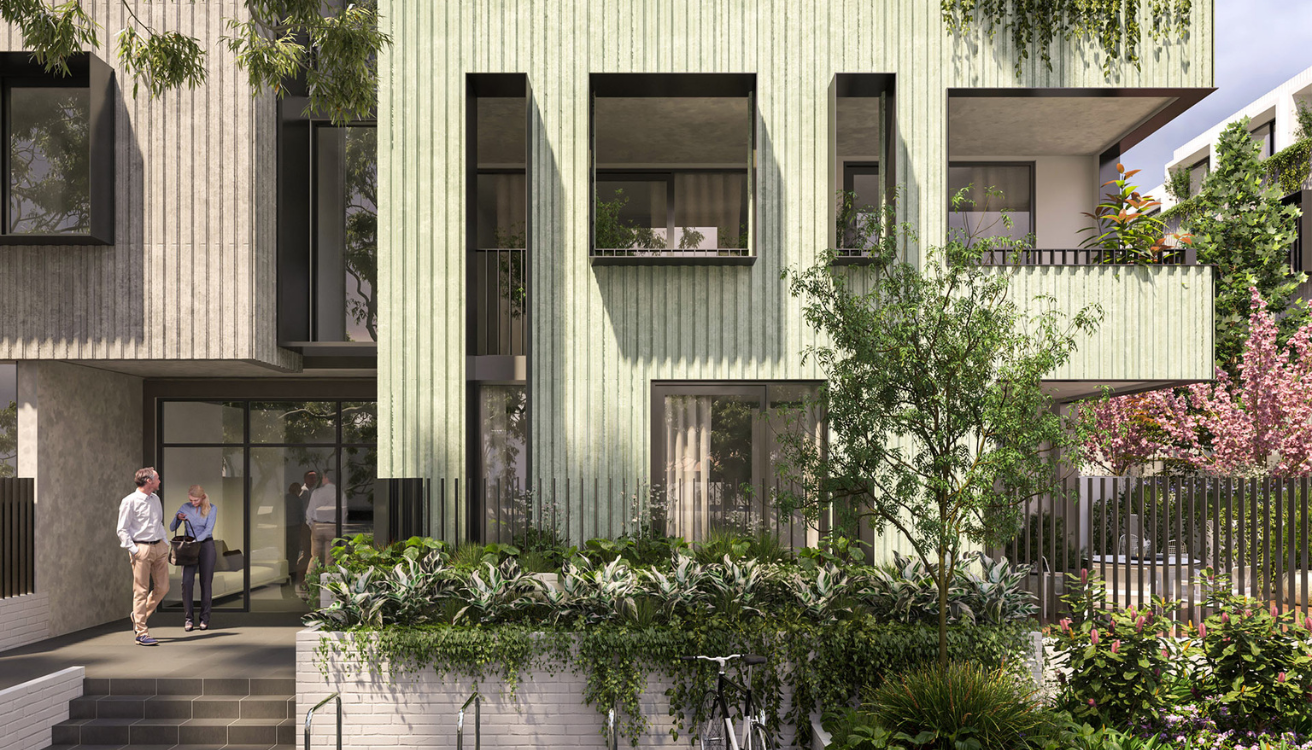
Cover image courtesy of JAM Architects